Where NOT to Stay in Bangkok: 9 Mistakes First-Time Travelers Make

Finding the right place to stay in Bangkok can feel overwhelming. The city is huge, neighborhoods feel totally different from one another, and it’s easy to book a hotel that looks great online but costs you time and patience once you’re here.
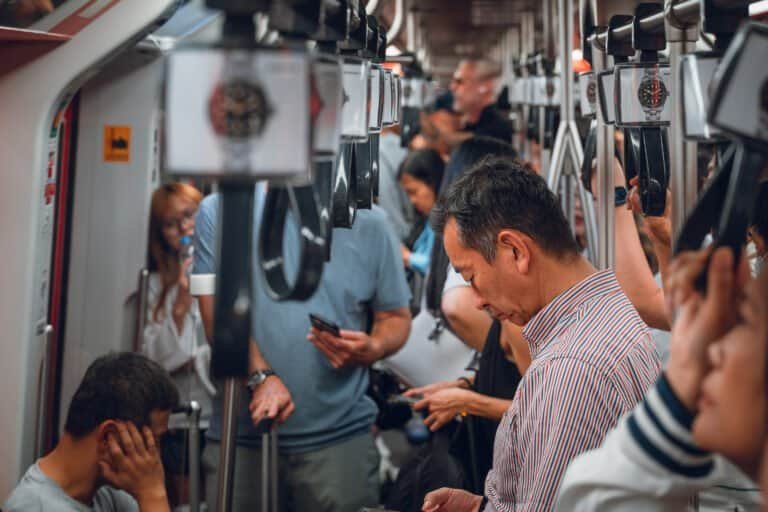
For a first trip, the biggest goal is simple: choose a base that makes getting around easy. Some areas are fun to visit but frustrating to sleep in. They’re loud, crowded, or far from the BTS and MRT, so every day starts with a long commute.
This guide breaks down the most common “where not to stay” mistakes and shows you what to double-check before you book. Start with the quick list, then use the sections below to pick a better base.
Best of Bangkok contains affiliate links and is a member of the Amazon Services LLC Associates Program. If you make a purchase using one of these Amazon links, we may receive compensation at no extra cost to you. See our Disclosure Policy for more information.
Why you can trust this Bangkok guide
I’ve stayed in almost every major Bangkok neighborhood, from Sukhumvit and Silom to the Riverside, Ari, Pratunam, and the Old Town. My partner and I have tried airport hotels, guesthouses, hostels, and serviced apartments, so we know which areas work well for a first trip and which ones tend to cause problems.
These tips come from our time moving around the city and avoiding the mistakes we once made ourselves. If you want more Bangkok advice, you can follow our Thailand adventures on our YouTube channel.
TLDR: where not to stay in Bangkok
Here are the most common mistakes first time visitors make when choosing where to stay:
- Staying near the airports for the whole trip and spending hours in traffic
- Staying near Khao San Road and struggling with noise, crowds, and late nights
- Booking beside the Grand Palace, which looks central but sits far from the BTS and MRT
- Choosing cheap hotels in Pratunam and losing hours in heavy traffic
- Staying in Chinatown for the food scene but finding it too busy for a comfortable base
- Picking a hotel far from the BTS or MRT, then relying on long taxi rides every day
- Choosing rooms that are too small, windowless, or missing key amenities
- Booking last minute and ending up in inconvenient locations
- Locking in non-refundable rates before plans are set
👉 Compare reliable hotels in Bangkok with free cancellation.
The rest of this guide breaks each mistake down and shows you how to avoid them.
Mistake 1: staying near the airport for your whole trip
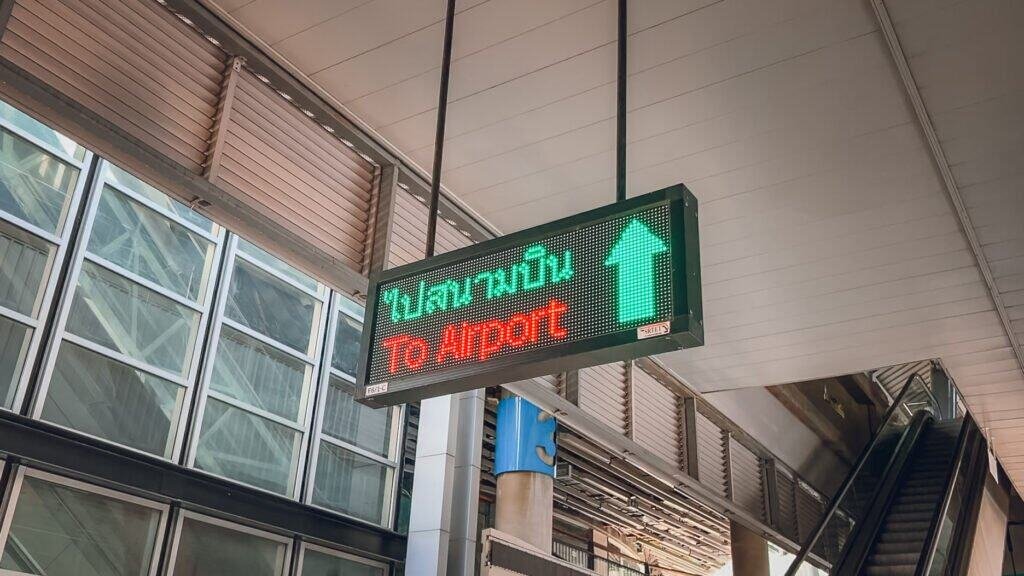
Bangkok has two airports: Suvarnabhumi and Don Mueang. Both feel close when you land, but they are far from the areas most visitors want to explore. If you stay at a Bangkok airport hotel for your entire trip, you will spend a lot of time sitting in traffic or paying for long Grab rides.
A ride from Suvarnabhumi to central Bangkok can take forty minutes on a good day and well over an hour if traffic is heavy. Don Mueang is even more unpredictable. Many first time visitors think they found a cheap room, but the long commute quickly cancels out any savings.
So should you stay near the airport at all? In most cases, no. Here is the simple rule.
If you want the easiest way to get from each airport into the city, start with my Bangkok Airport to City Center guide.
✈️ Only stay near the airport if you land late at night or leave very early in the morning.
Only book a cheap hotel if it takes under 30 minutes to reach the main city areas during the day. Anything longer will cost more in time and transport.
For every other part of your trip, stay in the city. You will have better access to food, transit, and the neighborhoods you will actually explore. Most of the areas that work well for first time visitors sit nowhere near either airport. Staying at an airport hotel for your whole trip is one of the easiest mistakes to avoid.
If you need to stay near the airport for one night, both Suvarnabhumi and Don Mueang have reliable Bangkok airport hotel options. Just avoid basing your entire stay there.
Quick tips for airport days
- If you land late or leave very early, book one night at an airport hotel.
- For the rest of your stay, pick a hotel in the city for easier transport
- Want to skip the taxi queue? Book a reliable airport transfer in advance.

Mistake 2: picking a cheap hotel far outside the center
Bangkok is full of affordable hotels, but many of the cheapest options sit far from the places you will actually spend your time. They look like a great deal until you realize how long it takes to reach the city center each day. A quick Grab ride becomes a slow crawl in traffic, and a twenty minute commute becomes forty.
This is one of the most common mistakes first time visitors make when choosing where to stay in Bangkok. They see a low nightly rate, book it, and then spend the rest of the trip paying for long rides back and forth to the main areas. What looks cheap online often costs more once you add daily transport.
Before you book anything, check how long it takes to reach the places you want to visit. Plug the hotel into Google Maps and look at travel times during the day and early evening. If it takes more than thirty minutes each way, it is usually not worth the savings.
How to avoid this mistake
Check how long it takes to reach the main areas before you commit to a hotel.
- Use the 30-minute rule. Only book a cheap hotel if it takes under 30 minutes to reach central Bangkok during the day.
Staying far outside the center also makes Bangkok feel less connected. You miss out on the restaurants, street food, and everyday moments that make the city fun. Long distances add up fast, especially if you plan to stay out late.
If you are traveling on a budget, the cheapest area is rarely the best choice. A slightly higher nightly rate often saves you money overall. When in doubt, choose a hotel or serviced apartment with easy access to the BTS or MRT. You will move around the city faster and enjoy your trip more.

Mistake 3: staying beside Bangkok’s most famous attractions
It is tempting to stay right next to the Grand Palace or Khao San Road. These spots are famous and they show up in almost every “where to stay in Bangkok” search. But for most first time visitors, staying beside these attractions is not a good base for your trip. Khao San Road is fun for one night out, but it rarely works as a base for a first time itinerary.
These neighborhoods are crowded from morning to night. Prices are higher. Food can be hit or miss because many restaurants focus on tourists instead of locals. If you stay close to Khao San, expect loud music and foot traffic late into the night. It is one of the most common answers to “where not to stay in Bangkok” if you want a quiet night.
The Grand Palace area has its own challenges. It looks central on the map, but it is not close to the BTS or MRT. You rely on taxis or tuk tuks for nearly every trip. Traffic in this area is some of the heaviest in the city, especially on weekends and holidays, so you lose time and energy just getting in and out of the neighborhood.
There is also a well known scam near the Grand Palace. Someone may tell you the palace is closed and offer a cheap tuk tuk ride to “special Buddha Day sites.” Instead of going to the palace, visitors are often taken to gem shops, clothing stores, and random temples. To avoid this, always check the official opening times online and walk straight to the main entrance.
All of these surprises make the Grand Palace area feel more stressful than most first time visitors expect. If you want easier days, quieter nights, and better transport, avoid staying beside Bangkok’s most famous attractions and keep them as daytime visits.
Where to stay instead
Choose a neighborhood with easy BTS or MRT access and plenty of local food. This gives you a calmer base and smoother days. You will spend less time in traffic and more time actually enjoying Bangkok.
Better areas for first-timers
For most first trips, reliable areas include:
- Sukhumvit (easy BTS access, lots of food)
- Silom (good mix of local and central)
- Riverside (pretty views, calmer feel)
Mistake 4: forgetting to check public transport access
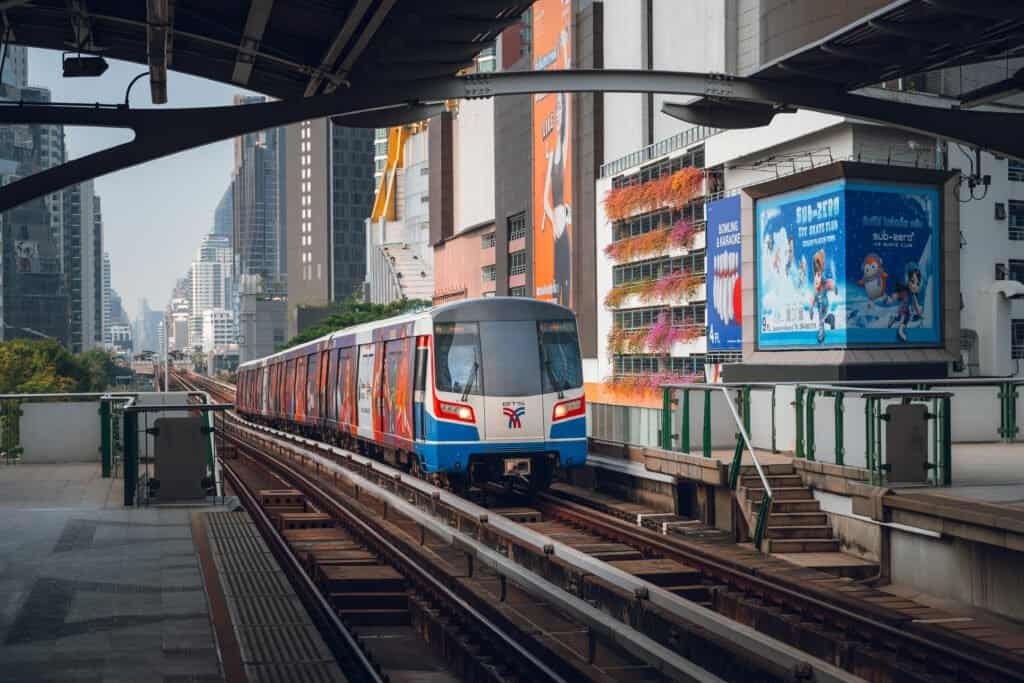
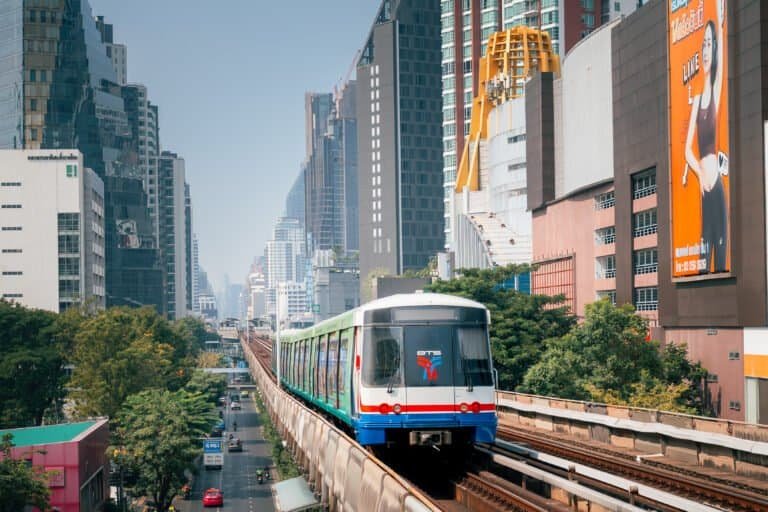
Bangkok looks compact on the map, but the city is spread out and traffic slows everything down. One of the biggest mistakes first time visitors make is booking a hotel that looks “central” but sits far from the BTS Skytrain or MRT subway.
The BTS and MRT are the easiest ways to move around the city, and if you want a simple overview of how they work (fares, transfers, and when to use Grab), read my Getting Around Bangkok guide.
If your hotel is more than a ten minute walk from a station, you will rely on taxis or tuk tuks for almost every trip, which adds time, money, and long waits during peak hours.
Before you book, open Google Maps and check both the walking distance and the transit time to the places you want to visit. Hotels often say they are “steps from the BTS,” but the real walk can be longer than expected. You want a location that makes your days simple, not one that surprises you with long commutes.
✔ A hotel close to the BTS or MRT saves you hours each day and makes Bangkok easier to enjoy.
Best stations for an easy first trip
These stations keep you close to food, sights, and simple transport. All are safe, convenient, and well connected.
- Nana (BTS): Great base for restaurants, cafes, and nightlife.
- BTS Asok + MRT Sukhumvit (interchange): Fast access to both lines.
- Phrom Phong (BTS): Relaxed, with parks and great food.
- Siam (BTS): The heart of the city and an easy transfer point.
- Chong Nonsi (BTS): Near Silom, Lumpini Park, and street food.
- Saphan Taksin (BTS): Ideal for quick boat access along the river.
- Lumpini (MRT): Quiet, walkable, and close to the park.
Mistake 5: not checking room size and key amenities
Bangkok has every type of hotel you can imagine. Some are modern, others are simple and basic. The catch is that room size and amenities vary a lot, especially in older buildings and budget properties.
One of the biggest surprises is room size. Some Bangkok hotel rooms are very small, and a few budget rooms do not have windows at all. Wide angle photos online often make the space look larger than it is.
If space matters to you, check the square meters listed in the description and read recent guest reviews for honest photos.
❌ Avoid windowless rooms unless you are certain you’ll be comfortable. They often feel smaller and darker, and they can make jet lag worse.
Air conditioning is another detail that can catch travelers off guard. Most hotels have it, but not all. Some older guesthouses still use fans only, and some properties list AC but charge extra to use it. The same goes for bathroom type. A few budget rooms still use shared bathrooms, which can be an unexpected surprise.
Elevators (lifts) are not guaranteed either. Smaller buildings often have steep stairs and no elevator, which is tough with luggage or mobility concerns.
Soundproofing also varies. Even in central areas, nightlife or thin walls can affect your sleep, so it helps to check recent reviews for noise.
What to double-check before booking
Before you book, scan the hotel’s photos and amenities for:
- Room size (square meters)
- Windows (many budget rooms have none)
- Air conditioning (and whether it is included)
- Private vs shared bathroom
- Lift access
- Noise levels in recent reviews
Mistake 6: booking too late
Bangkok stays busy all year, and the best value hotels disappear fast. If you wait too long to book, you end up picking from what is left instead of what you actually want.
The most popular months are December to February and July to August. Hotels near the BTS, the MRT, or the river fill up quickly during these months. Prices rise when availability drops. Many first time visitors assume they can book last minute, but that usually means higher rates or hotels in less convenient areas.
Booking early gives you better choices at better prices. You can pick a room that fits your needs, stay close to the places you want to explore, and avoid scrambling for last minute options in areas that do not match your plans. Even mid range hotels fill up, and many serviced apartments sell out months in advance.
If you already know your travel dates, lock in your accommodation early. Free cancellation lets you adjust your plans later without losing flexibility.
❗ Book early if you are traveling in December to February or July to August. These are the busiest seasons, and the best rooms near the BTS and MRT sell out quickly.
How early should you book?
For the best prices and availability:
- Serviced apartments: 2 to 4 months ahead
- Mid-range hotels: 4 to 8 weeks ahead
- Budget hotels: 2 to 6 weeks ahead
- Peak season: the earlier the better
Mistake 7: choosing a non-refundable rate too soon
It is tempting to grab the cheapest price you see, especially when you are excited about your trip. But many of the lowest rates in Bangkok come with strict cancellation rules. If your plans change, you could lose the entire booking.
Bangkok has many neighborhoods, and your preferences may shift the more you research. You might decide you want to stay closer to the BTS, choose a quieter location, upgrade your budget, or even split your stay between two areas. A non refundable booking can make these simple adjustments expensive.
If you are booking your hotel months in advance, choose a flexible rate. It usually costs a little more, but it lets you adjust dates or switch to a better hotel later. This matters even more during high season or when looking at serviced apartments, since availability changes quickly.
A non refundable rate is fine if you are booking last minute and your plans are set. But if your trip is still weeks or months away, flexibility is worth the extra cost. It keeps your options open and removes a lot of stress from planning.
Smart booking strategy
- Book a flexible room early to hold a good hotel in the right location
- Set a weekly reminder to recheck prices
- If a better deal appears, switch for free
- Only choose non refundable rates when you are within 7 to 10 days of arrival
Mistake 8: ignoring alternative accommodation options
Most first time visitors focus only on hotels, but Bangkok has several types of stays that offer better value, more space, or more comfort. Skipping these options can mean missing something that fits your trip much better.
✔️ If you want more space for the same price as a hotel, compare serviced apartments first. They are usually quieter, bigger, and better equipped for longer stays.
Serviced apartments are often the best middle ground. You get more space, a kitchenette, and weekly cleaning, and many include pools or small gyms. They are usually cheaper than hotels in the same area, especially for stays longer than a few nights. They also give you a quieter base, which helps if you need space to rest or work.
Hostels are another strong option. Bangkok has everything from simple dorms to modern hostels with private rooms. These can be great for budget travelers or anyone who wants a social atmosphere. Private rooms in newer hostels are often nicer than older budget hotels.
Airbnb and short term rentals are more complicated in Bangkok. Many condo buildings restrict stays under 30 days, and many properties need a hotel license to host short stays. Most do not have one.
Some hosts still allow short bookings, but policies vary and enforcement changes. If you want to stay less than a month, you will notice many Airbnb listings set a 30-night minimum. For shorter trips, licensed hotels or serviced apartments are usually clearer and easier.
If safety is a concern, stick to well reviewed serviced apartments or modern hostels. These usually have secure entrances, staff on site, and transparent policies.
Areas like Sukhumvit, Silom, Ari, and the Riverside are reliable choices for first time visitors.
Looking beyond hotels often gives you more space, better comfort, and better prices than you expect.
Alternative options that work well for first-timers
Here are stay types that usually offer strong value for Bangkok:
- Serviced apartments: Best mix of comfort, space, and price
- Hostels with private rooms: Clean, updated, and great for saving money
- Licensed short stay properties: Clear rules and no 30-night surprises
👉 Compare serviced apartments and hostels to find places with more space and better amenities.
Mistake 9: expecting free breakfast
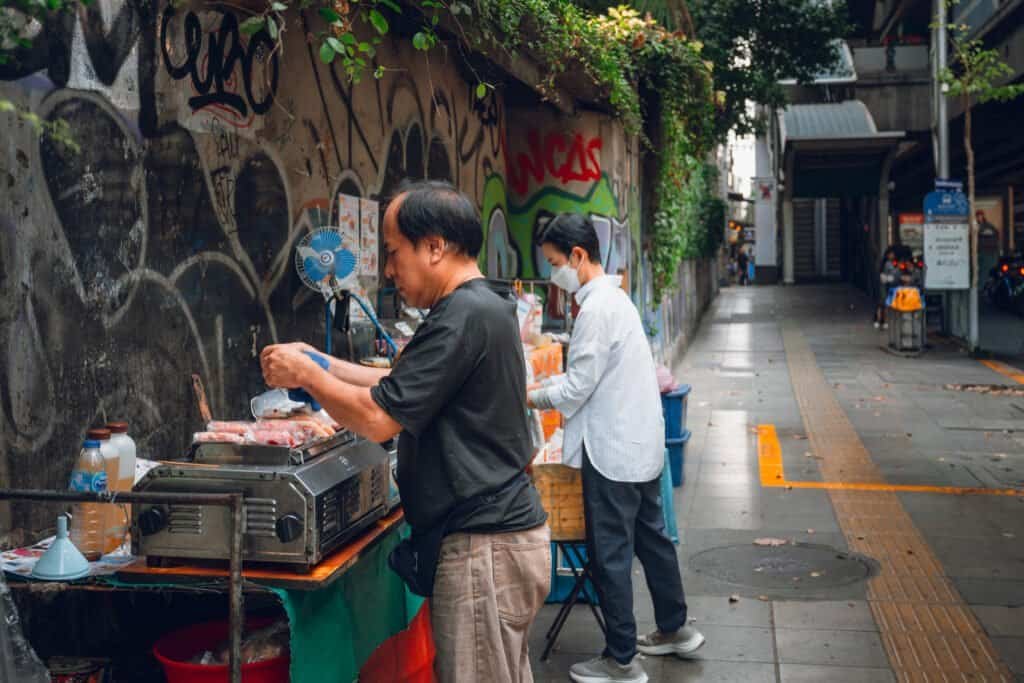
Many first time visitors assume breakfast comes with every hotel stay. In Bangkok, that is not always the case. Most hotels charge extra, and the price can be higher than expected. Some charge per person, others per day. Buffets can look convenient but often are not the best value.
The good news is that Bangkok has endless breakfast options nearby. You will find cafes, noodle shops, and street food stalls that open early. A bowl of boat noodles, fried rice, or a Thai iced coffee often costs less than a hotel buffet.
Hotel breakfast can still make sense if you want a slow morning or have an early tour, but you do not need to pay for it every day. Many travelers mix hotel meals with local breakfast spots, which gives you more variety and helps stretch your budget.
If breakfast matters to you, check the hotel details before booking. Some hotels include breakfast only in higher tier rooms. Others offer simple continental options. Many serviced apartments include small kitchenettes, which add flexibility for longer stays.
Plan for breakfast the same way you plan for the rest of your trip. A little awareness goes a long way.
Easy breakfast options near most hotels
- Local noodle shops open early
- Street carts selling fried rice, congee, or grilled pork
- Small cafes with coffee and pastries
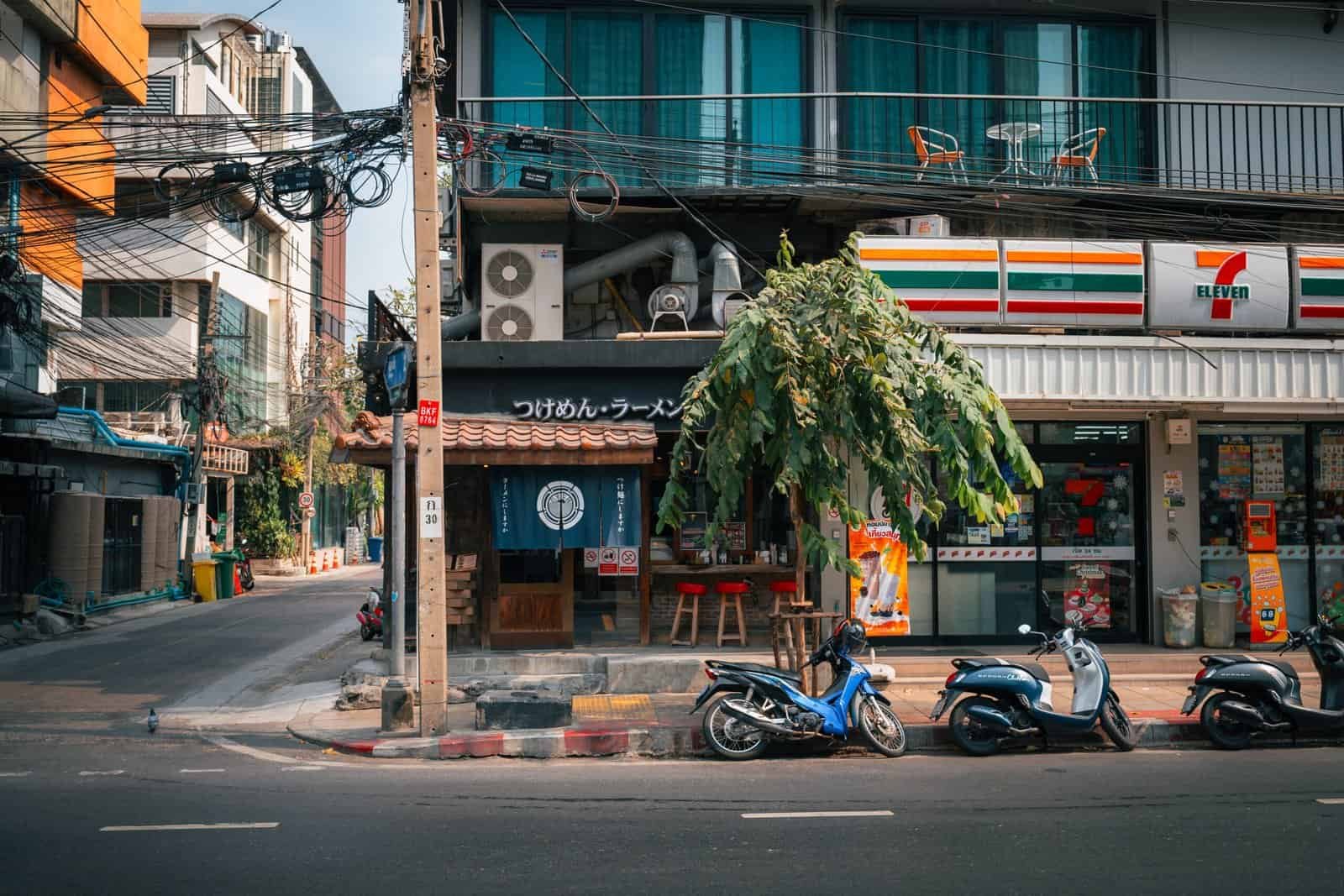
- 7 Eleven for quick snacks, fruit, and iced drinks
Bangkok accommodation FAQ
Where should I avoid staying in Bangkok?
Avoid staying in areas that are far from the BTS or MRT, crowded late at night, or extremely busy during the day. Khao San Road, the Grand Palace area, parts of Pratunam, and busy sections of Chinatown are common spots first time visitors regret. These neighborhoods look exciting online but are not the easiest bases for exploring the city.
What areas are not good for first time visitors?
Any neighborhood without easy public transport is harder for new visitors. Staying far from the BTS or MRT means relying on long taxi rides and sitting in traffic. The most common “not ideal” areas for first timers include Khao San Road, the Grand Palace area, and budget hotels in Pratunam or deep into Chinatown.
Is Khao San Road a good place to stay?
Khao San Road is fun for a night out, but it is loud, crowded, and far from the BTS and MRT. It can be a good choice for backpackers who want nightlife, but it is not the easiest area for sightseeing or getting around the city.
Is the Grand Palace area a convenient base?
Not for most trips. The area looks central but is not close to the BTS or MRT, so almost every journey requires a taxi or long walk. Crowds and tour groups also make it a less relaxing area to return to at night.
Is Pratunam a good place to stay?
Pratunam is popular for shopping, but traffic is heavy and walkability can be challenging. If you plan to explore the whole city, this area often feels less convenient than Sukhumvit or Silom.
Is Chinatown too busy to stay in?
Chinatown has amazing food and culture, but it is busy day and night. Streets are crowded, sidewalks are narrow, and transit access is limited depending on where you stay. Many visitors prefer to visit Chinatown for food but sleep somewhere quieter.
Where should I stay in Bangkok for my first trip?
Sukhumvit and Silom are the easiest places to start. Both have great food, simple layouts, and reliable public transport. If you want something calmer, the Riverside is another strong choice. These areas help you avoid the common problems that make some neighborhoods harder for first time visitors.
Is it safe to stay in Bangkok?
Yes. Bangkok is generally safe. Choose well reviewed hotels or serviced apartments in areas like Sukhumvit, Silom, Ari, or the Riverside. Standard city awareness, like avoiding dark alleys and watching your belongings, goes a long way.
How early should I book my hotel in Bangkok?
Book one to three months ahead. December to February and July to August are the busiest seasons, and the best value rooms near the BTS and MRT sell out first.
Should I book a flexible rate?
Yes. A flexible rate gives you room to change hotels, switch dates, or upgrade locations without losing money. This helps if your plans are still shifting or you are deciding where to stay.
Do Bangkok hotels include breakfast?
Not always. Many charge extra. Local cafes, noodle shops, and street food stalls are usually cheaper and more interesting, so you may not need hotel breakfast every day.
Is Airbnb legal in Bangkok?
Short stays in condos often fall under hotel regulations, which require licenses. Many buildings do not have these licenses, which is why hosts set thirty night minimums. For shorter visits, serviced apartments and licensed hotels are the clearest and most reliable options.
Full neighborhood guide
Where to stay in Bangkok breaks down each neighborhood, explain what the area feels like, and help you choose the right base for your trip and budget. Once it is live, we will link it here.
Plan your stay with confidence
Bangkok feels big at first, but once you understand how the neighborhoods work and what to look for in a hotel, planning becomes much simpler. Avoid the common first timer mistakes, check transit access, and choose a base that supports the kind of trip you want. With the right location, the whole city becomes easier to enjoy.
Next steps for planning your base
If you want to keep planning simple, these guides cover the basics most first-time visitors need.